Chicken Road: How the Game Works and Where the Risk Sits
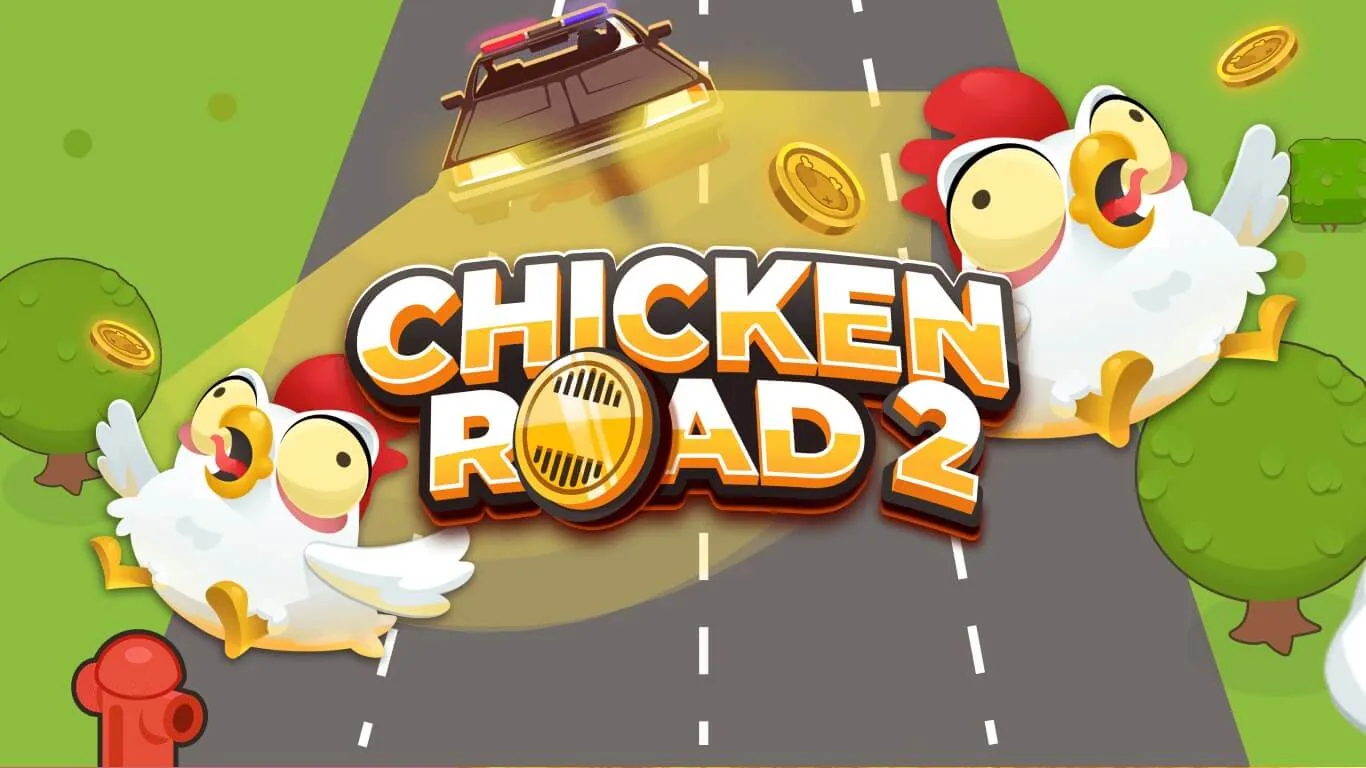
Is Chicken Road a real-money game or just another demo that never pays? It's both. Built by InOut, Chicken Road is a crash-style instant game where a chicken crosses a multi-lane road and you cash out before a car hits. The further it walks, the higher the multiplier climbs — but one collision ends the round. You'll find it on a handful of UKGC-licensed sites, and most of them let you test the mechanics for free before staking anything.
This page walks through how the game works, what the numbers mean, where the risk concentrates, and how to play it safely within UK affordability checks and stake caps. No hype, no guarantees — just the structure of the round, the maths behind the multiplier, and the controls you actually have.
What happens in a Chicken Road round
You place a stake, choose a difficulty (Easy, Medium, Hard, or Hardcore), then start the crossing. The chicken moves forward one lane at a time. Each safe lane adds to your multiplier. Cars appear randomly on any lane ahead — if the chicken reaches an occupied lane, the round ends and the stake is lost. You can cash out at any moment to lock in the current multiplier.
The difficulty setting controls two things: the total number of lanes to cross and the frequency of cars. Easy mode gives you 30 lanes and the lowest car density; Hardcore drops you to 18 lanes with the highest chance of a collision. Shorter roads mean faster multipliers but tighter margins for error.
The multiplier grows with each lane crossed, but the rate of growth depends on the difficulty. Hardcore climbs faster because the total distance is shorter and the danger is higher. The game uses provably fair logic: the car positions are seeded before the round starts, so the outcome is set — you're deciding when to stop, not whether you'll win.
RTP, volatility, and where losses concentrate
Chicken Road runs at an RTP between 96% and 98%, depending on the operator's configuration. That figure is long-term and session-agnostic — it tells you what the game pays back over millions of rounds, not what you'll see in an hour. Volatility sits in the medium-to-very-high range. Hardcore mode is the most volatile: big multipliers appear more often, but so do instant busts.
Losses concentrate in two places: early crossings where you misjudge the car pattern, and late crossings where greed overrides the cash-out instinct. The game doesn't have a bonus round or scatter mechanic to cushion losing streaks. Every round is binary — you either cash out in profit or lose the full stake. That structure makes bankroll management critical.
Stake limits and affordability checks in the UK
Chicken Road accepts stakes from £0.12 to £200 per round, but UK law imposes caps on top of that. If you're 18–24, the maximum stake per spin is £2. If you're 25 or older, it's £5. These caps apply across all slots and instant games on UKGC-licensed sites. The game's upper limit of £200 is irrelevant for most UK players — you'll hit the regulatory ceiling first.
Affordability checks kick in at £150 net deposits per month. The operator uses credit-reference data to assess whether you can sustain the loss. If the check flags a concern, they'll ask for payslips, bank statements, or tax returns. Fail to provide them and your account gets restricted. These checks are mandatory under UKGC rules, and they've become stricter since the Remote Gaming Duty rose to 40% in April 2026.
Manual control vs auto mode
You can play Chicken Road manually or in auto mode. Manual gives you full control: you click to start the crossing, watch the multiplier climb, and hit cash-out when you want to stop. Auto mode lets you set a target multiplier or a number of lanes to cross, then repeats the same bet until the balance runs out or you stop it. Auto doesn't change the odds, but it does remove the hesitation that sometimes saves a stake.
Auto mode is useful for testing a strategy — say, always cashing out at 2× on Medium difficulty — but it accelerates losses if the strategy is flawed. There's no stop-loss built into the auto settings; you have to set that separately in your account limits. If you're new to the game, stick to manual for the first twenty rounds so you can see how the car placements feel and where the multiplier stalls.
- Choose your stake and difficulty level.
- Click «Start» to send the chicken onto the road.
- Watch the multiplier tick up with each safe lane.
- Hit «Cash Out» before a car appears in the next lane.
- If you wait too long and the chicken is hit, the stake is lost.
How this version compares to similar games
Chicken Road shares its structure with other crash-style games — Aviator, JetX, Spaceman — but swaps the rising graph for a grid. The core mechanic is identical: a multiplier climbs, you cash out before the crash. The difference is visual and thematic. Where Aviator gives you a plane ascending a chart, Chicken Road gives you a grid of lanes and a binary outcome per lane.
The lane-by-lane structure makes the risk more granular. In Aviator, the crash point is invisible until it happens. In Chicken Road, you can see the empty lanes ahead and make a guess about how far the chicken might reach. That doesn't reduce the randomness — the car positions are pre-seeded — but it changes the psychology of the decision. Some players find the grid less stressful; others find it more tempting to push for one more lane.
InOut's version also offers four difficulty modes in one game. Most crash games give you a single volatility setting. Chicken Road lets you tune the risk each round without switching to a different title. That flexibility is useful for managing bankroll: you can drop to Easy when the balance is low and switch to Hardcore when you're comfortable taking a bigger swing.
Mobile play and where the game loads
Chicken Road runs in-browser on mobile, no download required. The game is built in HTML5 and adapts to portrait and landscape orientation. The interface is touch-friendly: large buttons for start and cash-out, clear multiplier display, and no clutter. It works on iOS and Android without needing an app from the Play Store or App Store, though some UKGC operators do offer native apps that include the game.
Performance is smooth on mid-range devices. The animation isn't demanding, and the lane-crossing sequence doesn't lag on 4G or public Wi-Fi. The only friction is the same as with any mobile casino game: if your connection drops mid-round, the game treats it as an abandoned bet and the stake is usually lost. Always play on a stable connection and avoid switching between apps during an active round.
Where to play for free and where to stake real money
Chicken Road appears on a small number of UKGC-licensed sites, typically in the «Instant Games» or «Provably Fair» category. Most operators let you switch between demo and real-money mode after logging in and verifying your age. Demo mode uses virtual credits and mirrors the real-money mechanics exactly — same RTP, same volatility, same car placement logic. The only difference is you can't withdraw demo winnings.
To play for real money, you need to register with a licensed operator, pass identity checks (photo ID and proof of address), and deposit using a payment method in your own name. Credit cards have been banned for gambling since 2020; use a debit card, PayPal, Apple Pay, Open Banking, or paysafecard instead. The first withdrawal triggers a KYC review, which takes 24–48 hours. Subsequent withdrawals via Faster Payments usually clear within a working day.
Check the operator's UKGC licence number in the footer and cross-reference it in the public register. If the site isn't listed, it's operating illegally in the UK and you have no recourse if a withdrawal is refused. Every legitimate operator also offers GAMSTOP self-exclusion — one registration blocks you from every licensed site for six months to five years. If you're 18 or over and gambling feels like it's becoming a problem, register at gamstop.co.uk before depositing anywhere.
FAQ
Can I play Chicken Road on my phone?
Yes. The game runs in-browser on iOS and Android, no app install needed. It adapts to portrait and landscape and works on 4G or Wi-Fi. Some UKGC operators also include it in their native casino apps.
What's the maximum win in Chicken Road?
The game caps wins at £20,000 per round, regardless of stake or multiplier reached. That ceiling applies across all difficulty modes. If the multiplier would push the payout above £20,000, the game stops at the cap.
Is the car placement truly random?
Yes, but it's pre-seeded before the round starts using provably fair logic. You can verify the seed hash and the server seed after the round ends. The outcome is set when you place the bet; the crossing animation just reveals it lane by lane.
Do UK stake caps apply to Chicken Road?
Yes. If you're 18–24, the maximum stake is £2 per round. If you're 25 or older, it's £5. These caps are enforced by the operator and override the game's own £200 limit.